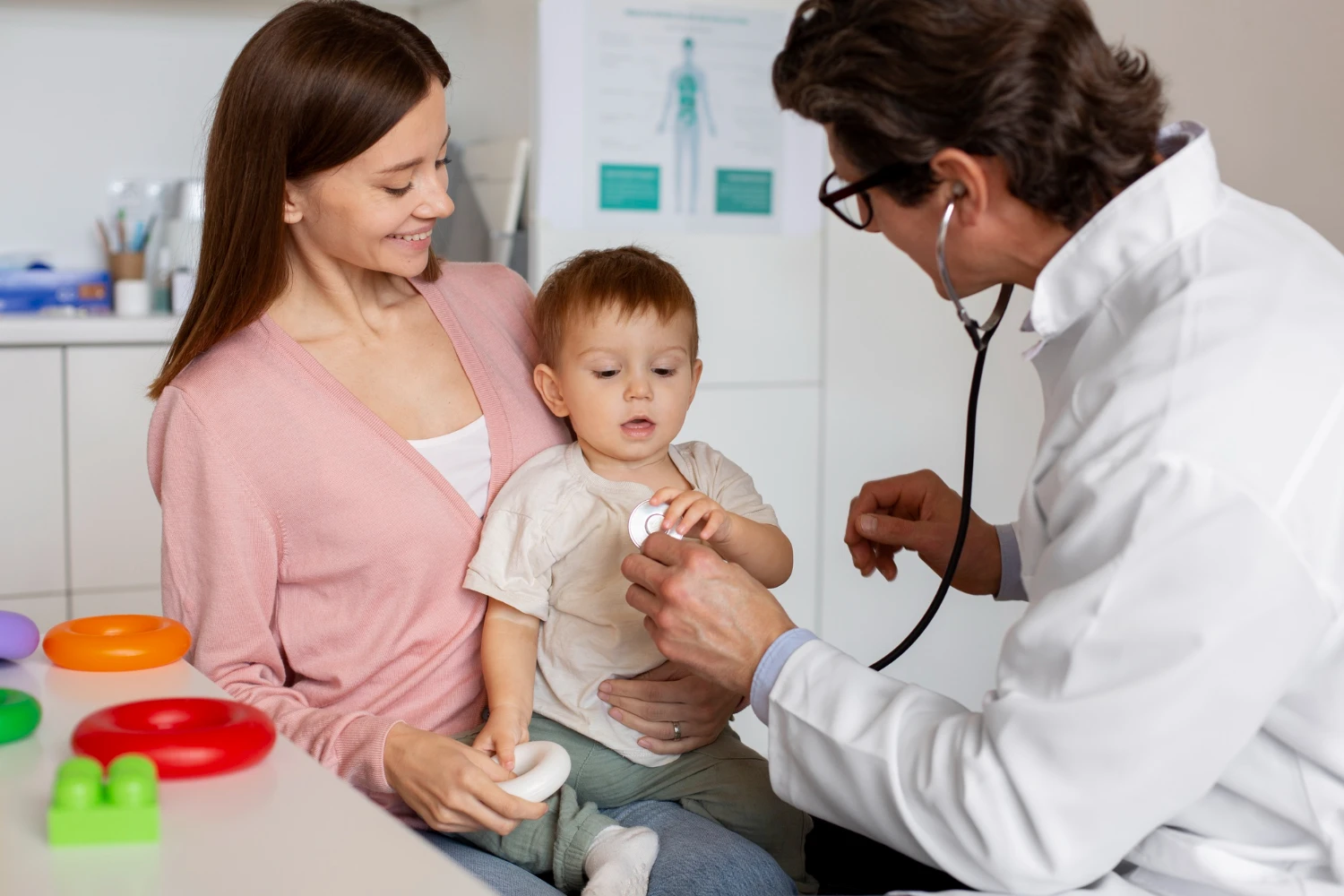
Watching your baby sneeze, cough, or break out in rashes can be stressful. Infants can’t tell us what feels wrong, and as parents, we’re left trying to figure out whether it’s a common cold or an allergy. Allergies in babies are more common than most people think, and the causes range from dust and food to detergents and pollen. If ignored, allergies can affect a child’s comfort, sleep, and growth.
The good news is that most infant allergies can be treated and even prevented with a mix of natural care and, when needed, medical help. In this article, we’ll walk through the causes, symptoms, natural home care methods, and medical treatments. We’ll also answer common questions parents ask.
This guide is written in clear, simple language so you can find practical steps without confusion. By the end, you’ll know what’s safe to try at home, when to see a doctor, and how to make your baby more comfortable.
Problem: Why Infant Allergies Worry Parents
Babies have developing immune systems. That means their bodies sometimes react strongly to things that wouldn’t bother adults. A small amount of dust, a sip of formula, or even a pet’s fur can trigger a response.
Common worries parents face:
- Constant sneezing and runny nose with no cold.
- Red, itchy skin patches or rashes.
- Digestive issues like vomiting or diarrhea after feeding.
- Breathing problems or wheezing.
Allergies can affect sleep, feeding, and overall comfort. If left untreated, some allergies can lead to long-term asthma or eczema. That’s why parents look for safe ways to manage them early.
Read Also: Online Pharmacist Across England
Promise: What This Guide Covers
This guide is built to answer parent’s real questions:
- How to tell if your baby has allergies or just a cold.
- Natural ways to reduce allergy symptoms at home.
- Medical treatments that are safe for infants.
- Preventive steps to keep allergies from getting worse.
- When to seek immediate medical help.
The goal isn’t to overwhelm you with medical terms. Instead, you’ll get practical steps, examples, and safety tips you can follow right away.
Proof: Allergies in Infants Are Common
Studies suggest that around 6% of infants under 2 years old show food allergies. Environmental allergies are also rising due to pollution and indoor allergens. Pediatricians often say most cases can be controlled if identified early.
For example:
- A baby allergic to cow’s milk formula often improves within weeks when switched to hypoallergenic formula.
- Dust-related allergies reduce significantly when parents wash bedding weekly in hot water and vacuum with HEPA filters.
These simple actions show that both natural and medical care can make a difference.
Proposal: Step-by-Step Guide to Treating Infant Allergies
Signs of Allergies in Infants
Before starting treatment, you need to recognize the symptoms. Allergies often mimic colds, so look for patterns.
Key signs include:
- Sneezing or runny nose without fever.
- Red, watery, itchy eyes.
- Dry skin patches, eczema, or rashes.
- Wheezing or persistent cough.
- Digestive problems like bloating, vomiting, or diarrhea after feeding.
- Fussiness during or after meals.
If you notice symptoms that last longer than 1–2 weeks or appear every time your baby is exposed to something, allergies may be the cause.
Natural Treatments for Infant Allergies
Parents often prefer natural methods first. These focus on reducing exposure and soothing symptoms.
For skin allergies (rashes, eczema):
- Use fragrance-free detergents and baby soaps.
- Bathe your baby in lukewarm water with mild, non-soap cleansers.
- Apply plain coconut oil or pediatrician-approved moisturizers twice a day.
For dust and pollen allergies:
- Keep windows closed during high pollen seasons.
- Wash bedding weekly in hot water.
- Vacuum carpets, sofas, and curtains using a HEPA filter vacuum.
- Keep soft toys washed and dried in sunlight.
For food allergies:
- Keep a food diary. If symptoms appear after feeding, note the food and time.
- If breastfeeding, the mother may need to avoid suspected foods like dairy, eggs, or peanuts.
- Use only hypoallergenic formulas if prescribed by a doctor.
For respiratory comfort:
- Use a cool-mist humidifier to keep air moist.
- Keep the baby’s sleeping area smoke-free and pet-free.
- Rinse nasal passages with saline drops if advised by a doctor.
Medical Treatments for Infant Allergies
Sometimes natural care isn’t enough. A pediatrician may recommend safe medications.
Common medical options include:
- Antihistamines: Small doses prescribed to reduce sneezing, itching, or rashes.
- Topical creams: Low-dose steroid creams for eczema if moisturizers don’t work.
- Special formulas: Hydrolyzed or amino acid-based formula for babies allergic to cow’s milk.
- Epinephrine injection: In rare cases of severe food allergy (anaphylaxis), doctors may prescribe an epinephrine auto-injector for emergencies.
Always follow the doctor’s instructions and never give over-the-counter allergy medicine without medical advice.
Read Also: Milk Allergy in Infants: Signs, Rash Pictures, and Treatment
Preventing Infant Allergies
Prevention makes life easier for both parents and babies. Simple steps can reduce the risk of flare-ups.
- Exclusive breastfeeding for the first 6 months helps build immunity.
- Introduce solid foods one at a time after 6 months. Watch for reactions.
- Keep your home smoke-free.
- Regularly clean air filters in AC or heaters.
- Don’t overload your baby’s skin with too many products. Stick to simple, fragrance-free care.
Final Thoughts
Allergies in infants are common but manageable. With the right mix of natural home care and medical treatment, most babies find relief and grow healthier. The key is to spot symptoms early, keep a record of possible triggers, and work closely with your pediatrician. Small steps like using fragrance-free soaps, keeping bedding clean, and monitoring food can make a big difference.
Your baby doesn’t have to struggle with constant sneezing, itching, or rashes. With patience and careful care, you can give them comfort and a better start.
FAQs on Infant Allergies
1. How do I know if my baby has allergies or just a cold?
If symptoms last longer than 10 days without fever, it’s more likely an allergy than a cold.
2. Are allergy medicines safe for infants?
Yes, but only under a doctor’s guidance. Never give over-the-counter meds without approval.
3. Can breastfeeding reduce allergies?
Exclusive breastfeeding for 6 months may lower the risk of food and respiratory allergies.
4. When should I rush to the hospital?
If your baby has swelling of lips, difficulty breathing, or severe vomiting after eating, seek emergency help immediately.
5. Will my baby outgrow allergies?
Some babies outgrow food allergies by age 3–5. Others may continue into childhood. Regular checkups help track progress.
6. Can pets cause allergies in infants?
Yes, pet dander is a common trigger. Limit exposure if your baby shows symptoms.
7. Should I change my baby’s formula without consulting a doctor?
No. Always consult your pediatrician before switching formulas.
8. Can natural oils cure skin allergies?
They can soothe symptoms, but they don’t cure the root allergy. Medical care may still be needed.
9. Is it safe to use air purifiers in a baby’s room?
Yes, but choose ones without ozone and keep them away from direct reach.
10. Are food allergies more serious than dust allergies?
Food allergies can sometimes lead to life-threatening reactions, so they need closer monitoring.


2 thoughts on “How to Treat Allergies in Infants Naturally and Medically”
Pingback: hello world
Pingback: lipitor 40 mg